Pain managment and shockwave specialist
Lower Body Conditions
Hip Pain
Shin Splints (Medial Tibial Stress Syndrome)
Heel Spur (plantar fasciitis)
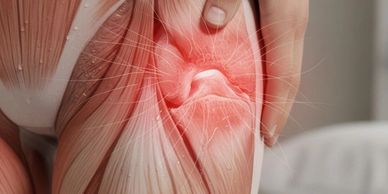
With age and use, the cartilage can wear down or become damaged. Muscles and tendons in the hip can get overused. The hip bone itself can be fractured during a fall or other injury. Any of these conditions can lead to pain and damage in the hip area. Shockwave therapy enhances the healing process, fights inflammation, eliminates the pain and tenderness and can prevent hip replacement surgery. In 79% of patients with necrosis Shockwave therapy also improves osteonecrosis of the femoral head.
Heel Spur (plantar fasciitis)
Shin Splints (Medial Tibial Stress Syndrome)
Heel Spur (plantar fasciitis)
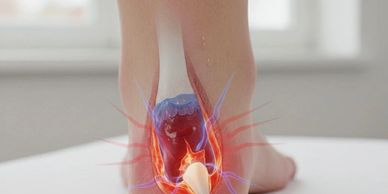
Calcium deposit on the underside of the heel bone (heel spur) is closely associated with scarring or inflammation of the plantar fascia (plantar fasciitis). Either of the indications or combined, limit patients in their daily activities. Shockwave treats both of the problems simultaneously. Acoustic waves are responsible for fast recovery, return to daily routine and long-lasting effects in up to 88% of the patients.
Shin Splints (Medial Tibial Stress Syndrome)
Shin Splints (Medial Tibial Stress Syndrome)
Shin Splints (Medial Tibial Stress Syndrome)
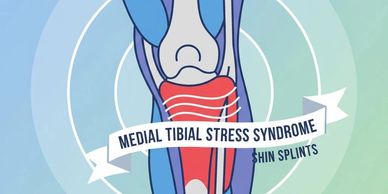
Medial tibial stress syndrome typically occurs due to activities placing large amounts of stress through the tibialis anterior muscle. These activities may include fast walking or running (especially up or downhill or on hard or uneven surfaces) or sporting activity (such as kicking sports). Patient is usually restricted from such activities for prolonged periods of time. When treated with Shockwave therapy the passive period is significantly shorter and the recovery time cuts back by at least a half.